Wearing a scoliosis brace is often described as “life-changing,” but that phrase can feel vague until you understand what daily life actually looks like in it. For children and teens prescribed a Rigo Chêneau brace, the experience is usually less about limitation and more about adaptation, learning a new routine that supports both spinal correction and everyday life.
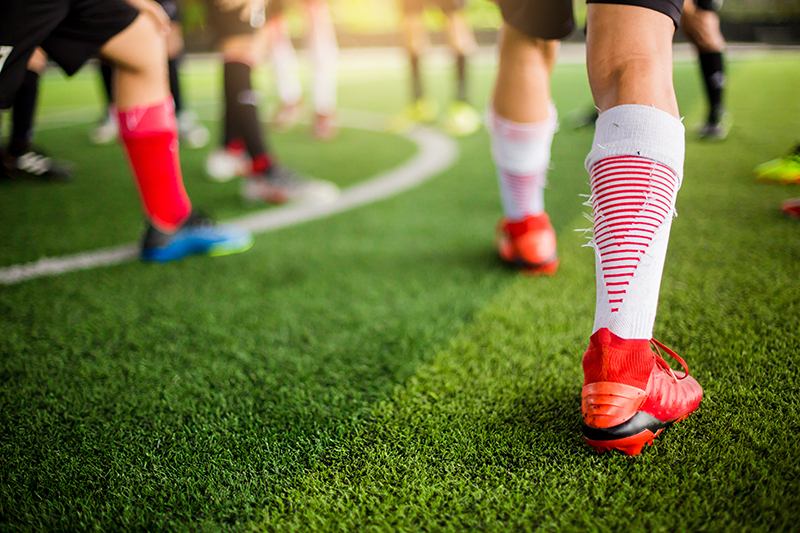
Thanks to modern custom design, Rigo Chêneau braces are lightweight, highly contoured, and discreet under clothing. Most children are able to continue school, social activities, and even sports with minimal disruption, while their brace works quietly in the background to guide spinal growth.
There is still an adjustment period as the body adapts to wearing something new for many hours a day, but for many families that transition is smoother than expected with the right fit and support. Over time, wearing the brace often becomes just another part of the daily routine.
This guide walks through what life is really like in a Rigo Chêneau brace, from the first days of wear to long-term adjustment, so families know what to expect and how to navigate the journey successfully.
What Is the Rigo Chêneau Brace and Why Is It Different?
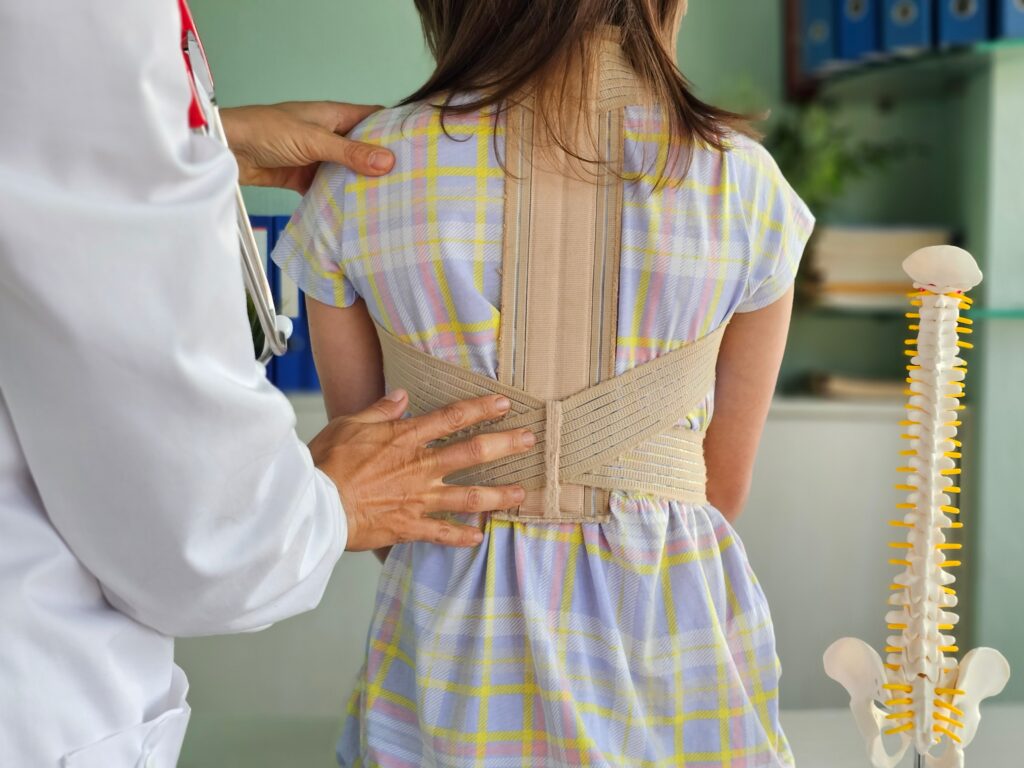
The Rigo Chêneau brace is a modern, custom-molded scoliosis brace designed to correct spinal curvature in three dimensions: side-to-side alignment, rotation, and trunk balance.
Unlike older, bulkier brace designs, the Rigo Chêneau system is built around precision and function, including:
- Targeted pressure zones that guide spinal correction
- Expansion areas that allow space for breathing and growth
- Lightweight, low-profile thermoplastic materials
- A fully individualized design based on each patient’s curve pattern
At The Pediatric Orthopedic Center, advanced imaging such as low-dose EOS 3D scanning allows clinicians to map spinal alignment with high precision before fabrication. This helps ensure the brace is both corrective and optimized for comfort and wearability. Because the brace is custom-designed to match each child’s anatomy, many patients find it easier to wear consistently compared to other scoliosis brace styles.
The primary goal of bracing is to prevent curve progression during growth, helping reduce the likelihood of surgery later, especially when treatment begins early, and adherence is strong.
The First Days: Adjusting to the Brace
The first few days in a brace are often about awareness rather than pain or difficulty. Most children notice the sensation of something new on their body and need time to adjust to it. During this early stage, the body is adapting to corrective positioning and pressure in specific areas designed to influence spinal alignment.
Common early experiences may include:
- Adjusting to new sitting, bending, and movement patterns while wearing the brace
- Mild soreness or pressure sensitivity that typically improves with time
- Getting used to how clothing fits and feels over the brace
A gradual break-in schedule is typically used so wear time increases slowly over several days. This helps the body adapt comfortably while maintaining consistent correction. Skin checks and small adjustments are part of normal follow-up care, and most early concerns are easily resolved with minor modifications. Within a short period, many children report that the brace becomes noticeably easier to wear and less distracting during daily activities.
A Typical Day Wearing a Rigo Chêneau Brace
Once adjusted, most children settle into a predictable and manageable routine. Mornings typically begin with putting on the brace and getting dressed around it. Many families quickly find clothing styles that work well, often soft fabrics and slightly looser tops that allow the brace to remain discreet.
At school, most students are able to:
- Sit comfortably through classes
- Participate in normal academic activities
- Carry backpacks with minor adjustments if needed
Afternoons often include homework, downtime, and sometimes physical therapy sessions, depending on the care plan. Evenings focus on comfort and maintenance, checking skin, ensuring proper fit, and allowing short breaks if prescribed by the treatment plan. Sleep routines vary depending on the prescription. Some patients wear the brace overnight, while others remove it. When nighttime wear is required, most children adapt with time and supportive positioning.Overall, the brace becomes part of the background of daily life rather than the center of it.
Common Challenges and How They’re Managed
Skin and Pressure Awareness
Mild skin sensitivity can occur early on but is usually manageable. Families are typically advised to:
- Wear a soft cotton shirt under the brace
- Check skin daily for pressure areas
- Report persistent redness for adjustment
- Keep skin clean and dry
Most issues are resolved quickly with small brace modifications.
Comfort and Daily Wear
Comfort generally improves as the body adjusts. Helpful strategies include:
- Gradually increasing wear time in the first week
- Ensuring proper strap tension (secure, not overly tight)
- Using cushions for extended sitting periods
- Choosing clothing that reduces friction or pressure points
Activity and Lifestyle
Most children are encouraged to remain active during treatment. Walking, school activities, and many sports are typically possible, depending on the individual plan. In many cases, bracing is paired with scoliosis-specific physical therapy to support strength, posture awareness, and spinal stability.
The Role of Physical Therapy
Bracing works best when combined with active rehabilitation. Scoliosis-specific physical therapy, often based on Schroth principles, focuses on:
- Improving posture and alignment awareness
- Strengthening core and spinal support muscles
- Enhancing breathing mechanics
- Supporting balanced movement patterns
This approach helps children build strength and control both inside and outside of the brace, reinforcing long-term correction.
FAQs About Scoliosis Bracing
Will my child need surgery if they wear a brace?
Not necessarily. When used early and consistently, bracing can significantly reduce the risk of curve progression and the need for surgery.
Is the Rigo Chêneau brace visible under clothing?
It is typically low-profile and often not noticeable under everyday clothing, especially loose-fitting styles.
How many hours per day is it worn?
Most prescriptions range from 18–20 hours per day, depending on curve severity and growth stage.
Does wearing a brace hurt?
It should not cause sharp pain. Some pressure is expected early on, but persistent discomfort should be evaluated.
Can kids still play sports?
Yes, in many cases. Activity is usually encouraged within the treatment plan.
What if the brace doesn’t fit properly?
Follow-up care is essential. Adjustments can typically be made quickly to improve both comfort and effectiveness.
Schedule a Consultation with The Pediatric Orthopedic Center
A Rigo Chêneau brace is designed to fit into a child’s life, not take it over. While there is an adjustment period, most children adapt well and continue their normal routines with minimal disruption. With a well-fitted brace, consistent follow-up care, and supportive therapy when needed, families can focus less on limitations and more on long-term spinal health and growth.
If your child is showing early signs of scoliosis, or was diagnosed with scoliosis, contact The Pediatric Orthopedic Center for more information on Rigo Chêneau braces.