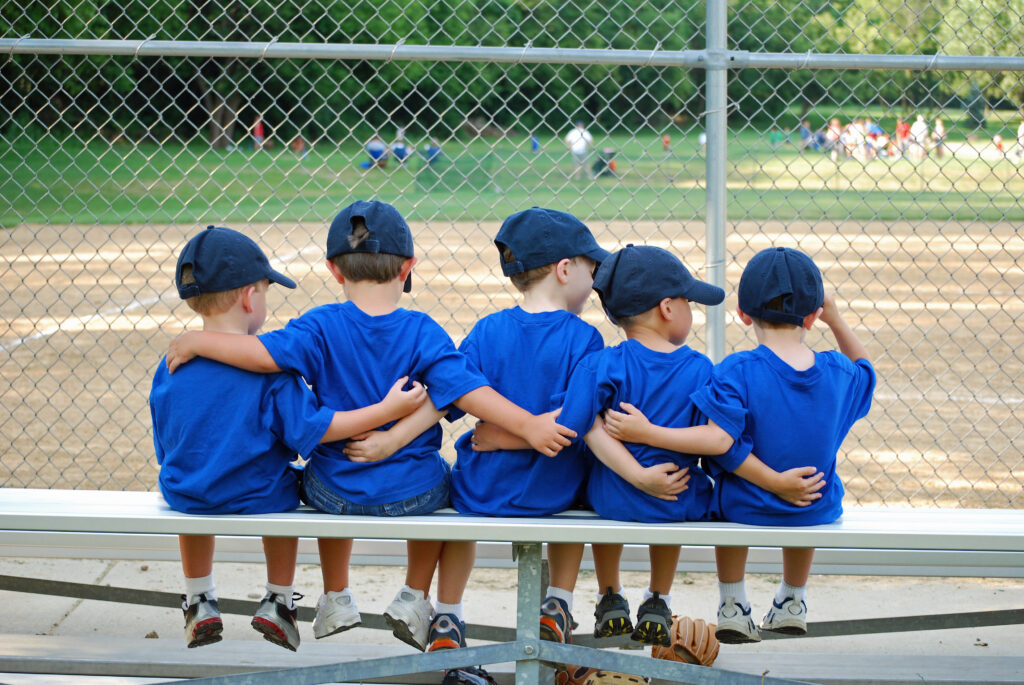
Summer baseball season is an exciting time for young athletes. From Little League practices and weekend tournaments to long afternoons at the ballpark, kids spend countless hours developing their skills and enjoying the game they love. But with increased throwing, pitching, sliding, and repetitive play, the risk of injury also rises.
Understanding little league injuries prevention is essential for parents, coaches, and players who want to keep young athletes healthy, on the field, and performing their best throughout the season. Below, we explore why injuries become more common during summer baseball, the most frequent conditions affecting youth players, and practical strategies to help prevent them using principles from pediatric sports medicine.
Why Summer Baseball Increases Injury Risk in Kids
Summer baseball often brings a sharp increase in activity levels. After a slower winter or spring season, young athletes may suddenly find themselves practicing multiple times per week, playing in tournaments, or even participating on more than one team. This rapid escalation is a major contributor to youth baseball injuries.
Children’s bodies are still developing, particularly their growth plates, which are softer and more vulnerable than mature bone. Repetitive throwing, especially without proper conditioning, places stress on these areas. This is why overuse injuries baseball players experience are especially common in the early and mid-season.
In addition, summer heat and fatigue can impact performance and mechanics. When kids are tired, they are more likely to use improper form, increasing their risk of shoulder injuries. Without proper rest and hydration, the risk multiplies. Ultimately, the combination of increased play, physical growth, and environmental factors makes summer a high-risk period, making Little League injury prevention more important than ever.
National Little League Week: Promoting Safe Play for Young Athletes
National Little League Week is a great opportunity to celebrate the joy of baseball while reinforcing safety habits. It’s not just about competition; it’s about building lifelong healthy athletes.
Parents and coaches can use this time to emphasize key baseball safety tips kids should follow, such as warming up properly, staying hydrated, and speaking up about pain. Young athletes often feel pressure to “push through” discomfort, but this mindset can lead to more serious sports injuries in children.
Creating a culture where safety is prioritized over performance is a critical part of Little League injury prevention. Encouraging rest days, monitoring workloads, and maintaining open communication can go a long way in protecting young players.
Most Common Little League Injuries in Children
Baseball may not be a contact sport, but it still carries a significant risk of injury, particularly from the repetitive motions involved in throwing and pitching. One of the most common youth baseball injuries is Little League elbow, a growth plate injury caused by repeated stress on the inside of the elbow that is frequently seen in young pitchers. Shoulder injuries are also common and can include rotator cuff irritation, tendonitis, and instability resulting from repeated overhead motions.
Other pitching-related injuries may involve ligament strain and inflammation caused by excessive throwing. Beyond overuse injuries, players can also experience ankle sprains and thumb injuries from slides, falls, or awkward landings, as well as fractures and dislocations from acute incidents such as collisions or being struck by a ball. While these injuries can range from mild to severe, many can be prevented through injury prevention strategies.
Overuse Injuries vs. Acute Injuries in Youth Baseball
Understanding the difference between injury types is key to prevention and early treatment.
Overuse injuries baseball players experience develop gradually over time due to repetitive stress. These are the most common in youth baseball and include conditions like little league elbow, tendonitis, and growth plate irritation. They are often linked to excessive pitching, lack of rest, and year-round play.
Acute injuries, on the other hand, happen suddenly. These include sprains, fractures, or collisions during gameplay. While they are easier to identify, they still require proper care and recovery. The challenge with overuse injuries is that they often start as minor discomfort and worsen if ignored. This makes education and awareness critical components of little league injuries prevention.
Warning Signs Parents and Coaches Should Watch For
Recognizing early symptoms can prevent minor issues from becoming serious injuries. Parents and coaches should be alert to the following warning signs:
- Persistent pain during or after activity
- Decreased throwing speed or performance
- Swelling, bruising, or visible changes in a joint
- Limited range of motion in the arm or shoulder
- Numbness, tingling, or weakness
- Complaints of fatigue or heaviness when throwing
In particular, persistent elbow or shoulder pain should never be dismissed as a normal part of playing baseball. These symptoms can be early warning signs of overuse injuries, especially in young athletes who pitch frequently or participate in multiple games and practices each week. Prompt recognition and treatment can help prevent minor issues from progressing into more serious conditions that require extended time away from the field.
One of the most important baseball safety habits is encouraging young players to speak up when they experience pain or discomfort. Creating an environment where athletes feel comfortable reporting symptoms can lead to earlier intervention, safer participation, and a healthier season overall.
Pitch Count Guidelines and Rest Recommendations
One of the most effective tools in little league injuries prevention is adhering to proper pitch count guidelines. Excessive pitching without rest is a leading cause of overuse injuries baseball players may develop. Monitoring how often and how much a child throws can significantly reduce the risk of injury.
General recommendations include:
- Limiting pitches per game based on age
- Ensuring at least 1–2 rest days between pitching appearances
- Avoiding participation on multiple teams simultaneously
- Taking several months off from throwing each year
Rest is not a setback, it is a critical part of recovery and performance. Without it, the risk of little league elbow and other pitching injuries youth athletes face increases dramatically. By following established pitch count guidelines, parents and coaches can help protect young arms during the most active months of the season.
Injury Prevention Tips for Young Baseball Players
A proactive approach is essential when it comes to Little League injuries prevention. Incorporating healthy habits into a young athlete’s routine can make a significant difference. Proper warm up and cool down is essential, as dynamic stretching and light activity help prepare muscles for play and reduce the risk of injury. Just as important is to focus on proper mechanics, since correct throwing technique minimizes stress on the joints and helps prevent common shoulder injuries in young baseball players.
Another important safety tip is to encourage multi-sport participation. Avoiding year-round specialization helps reduce repetitive strain and lowers the risk of overuse injuries often seen in baseball athletes. Players should also stay hydrated and maintain proper nutrition, as fueling the body supports both performance and recovery throughout the season.
It is equally important to use appropriate protective gear, including helmets, gloves, and proper footwear, which can significantly reduce the risk of injury during games and practices. Young athletes should also prioritize rest and recovery, with at least one to two rest days per week and adequate time off between seasons to allow the body to heal and reset.
In addition, strength and conditioning programs that focus on shoulder stability, core strength, and flexibility can help protect against common sports injuries in children. Most importantly, young athletes should be taught to listen to their bodies. Pain should never be ignored, as it is a signal that something needs attention and may require rest or medical evaluation.
Schedule a Consultation with The Pediatric Orthopedic Center
If your child is experiencing pain, decreased performance, or signs of a possible injury, early evaluation is key. Pediatric sports injuries require specialized care because growing bones and joints are different from those of adults.
At The Pediatric Orthopedic Center, our board-certified and board-eligible pediatric orthopedic specialists are trained to diagnose and treat youth baseball injuries with a focus on long-term health and development. From little league elbow to shoulder injuries baseball kids experience, our team provides personalized care designed specifically for young athletes.
Whether your child needs evaluation, treatment, or guidance on little league injuries prevention, we’re here to help them safely return to the game they love.
Contact us today to schedule a consultation and keep your athlete strong, healthy, and ready for the season ahead.