When it comes to sports injuries in kids vs adults, understanding the differences is critical for ensuring proper treatment and recovery. Children and adolescents are not just smaller versions of adults; their bodies are growing and developing, which means injuries can behave differently and require specialized care. Parents, coaches, and caregivers should be aware of these distinctions so that young athletes can remain healthy and active.
At The Pediatric Orthopedic Center (TPOC), our physicians are board-certified or board-eligible pediatric orthopedic surgeons. They are trained specifically to care for growing bones, joints, and muscles, providing pediatric orthopedic care that prioritizes both short-term recovery and long-term musculoskeletal health.
Why Sports Injuries Affect Kids Differently Than Adults
Children’s bodies differ from adults in several ways that impact how sports injuries occur and heal. Bones are more flexible, ligaments are stronger relative to bone, and growth plates, the areas of developing bone at the ends of long bones, are still open. Because of these differences, kids are more prone to certain types of injuries, while others that commonly affect adults may be less frequent in pediatric populations.
Another key factor is the speed of healing. Children’s bones generally heal faster than adults, and many injuries can remodel over time as the bone grows. However, this unique physiology also requires specialized attention. Mismanaged injuries can impact growth, joint alignment, and long-term function.
This is why pediatric sports injuries benefit from evaluation by specialists trained in adolescent sports medicine. Board-certified pediatric orthopedic surgeons understand the nuances of growth, healing, and skeletal maturity, providing care tailored specifically to children and teens.
The Role of Growth Plates in Pediatric Injuries
Growth plates, also called physes, are areas of developing cartilage at the ends of long bones. These plates are softer than surrounding bone and ligaments, making them particularly vulnerable to injury. Growth plate injuries in children can affect bone growth and alignment if not diagnosed and treated properly.
For example, an injury that might only result in a sprain in an adult could cause a fracture in a child’s growth plate. Pediatric orthopedic care emphasizes protecting these delicate areas while promoting proper healing. This specialized approach can reduce the risk of long-term complications and ensure the child continues to grow and develop normally.
Common Sports Injuries in Children vs Adults
Understanding how injuries differ between kids and adults is important for parents and caregivers. Some common distinctions include:
In Children:
- Fractures, particularly greenstick and buckle fractures
- Growth plate injuries
- Ligament injuries in adolescents, such as ACL tears
- Overuse injuries like Little League elbow or Osgood-Schlatter disease
In Adults:
- Ligament tears due to higher-impact injuries
- Tendon ruptures
- Osteoarthritis-related joint injuries
- Stress fractures in mature bones
Because pediatric injuries involve growing bones and developing musculoskeletal structures, treatment strategies differ. Pediatric orthopedic surgeons use age-appropriate techniques that protect growth plates and leverage the body’s natural healing potential.
Overuse Injuries in Young Athletes
Overuse injuries are increasingly common in youth sports. Repetitive stress from year-round training, early sport specialization, or intensive practice schedules can lead to conditions such as tendonitis, stress fractures, and growth plate irritation.
Young athletes may experience pain in areas like the knees, elbows, or shoulders, often worsening gradually. These overuse injuries in young athletes require early recognition and management to prevent more serious long-term issues. Pediatric orthopedic care can include rest, bracing, physical therapy, and, when necessary, minimally invasive procedures tailored to growing bones.
Warning Signs Parents Should Watch For
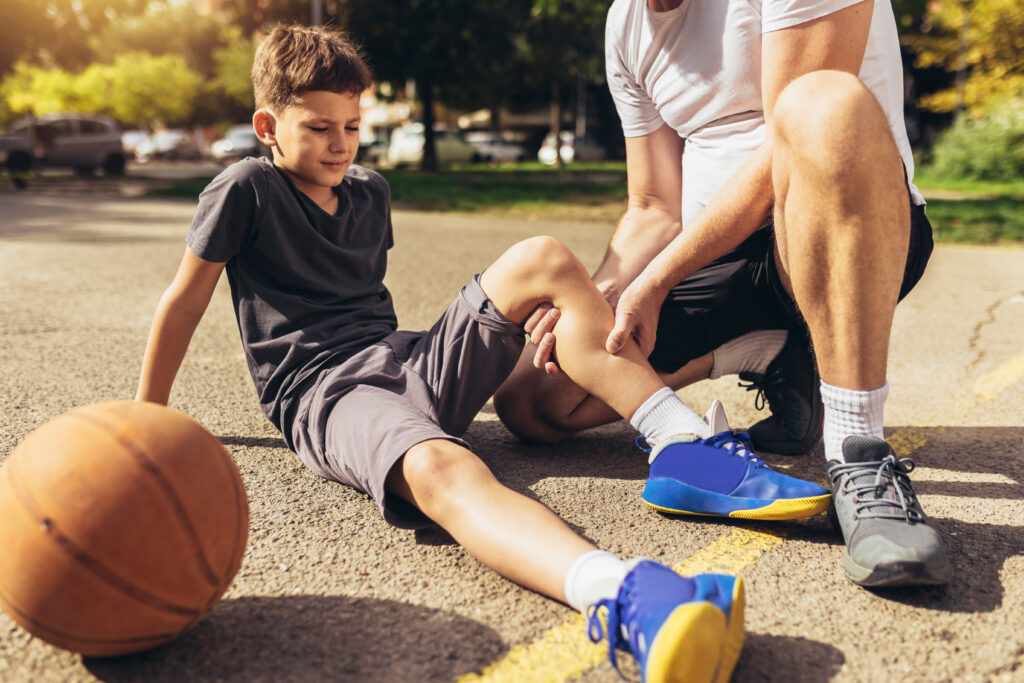
Parents should be vigilant for signs that indicate a pediatric sports injury may require evaluation. Warning signs include:
- Persistent pain or swelling during or after activity
- Limping or favoring one limb
- Difficulty moving a joint or decreased range of motion
- Visible deformities, bruising, or redness
- Recurrent injuries in the same area
Even subtle symptoms can signal growth plate injuries or ligament issues in teens. Early assessment by a pediatric orthopedic surgeon ensures accurate diagnosis and effective treatment.
Injury Prevention Tips for Youth Athletes
Prevention is key to minimizing pediatric sports injuries. Parents, coaches, and young athletes can take steps to reduce risk:
- Encourage proper warm-ups and stretching before activity
- Monitor pitch counts in baseball to avoid overuse injuries
- Rotate sports and activities to prevent repetitive stress
- Ensure athletes wear appropriate protective gear
- Promote rest days and adequate sleep to allow for recovery
- Seek guidance from a pediatric orthopedist or adolescent sports medicine specialist when starting new sports programs
Youth sports injury prevention is most effective when tailored to the child’s age, growth stage, and activity level.
Treatment Differences Between Kids and Adults
Treatment for pediatric injuries differs significantly from adult care. Pediatric orthopedic surgeons consider growth plates, remodeling potential, and age-appropriate healing times when recommending interventions. For example:
- Fractures in children often heal faster and may require shorter immobilization periods
- Growth plate injuries require careful alignment to avoid long-term complications
- Surgical interventions are used only when necessary, often with minimally invasive techniques
Adults, on the other hand, often require longer recovery periods, different surgical approaches, and more intensive rehabilitation for similar injuries.
At TPOC, our board-certified/board-eligible pediatric orthopedic surgeons develop treatment plans specific to children and adolescents, ensuring safe recovery while protecting future growth and function.
Schedule a Consultation with The Pediatric Orthopedic Center
Sports injuries in kids vs adults highlight the importance of specialized care. Children’s growing bones, developing joints, and unique healing potential require an expert pediatric approach.
If your child experiences a sports-related injury or shows warning signs of pain or dysfunction, The Pediatric Orthopedic Center is here to help. Our pediatric orthopedic surgeons, trained in adolescent sports medicine, provide comprehensive evaluation, treatment, and guidance to keep young athletes safe and active.
Contact us today to schedule a consultation or visit our Cedar Knolls office during walk-in hours for urgent care. Protecting your child’s growth, development, and future in sports starts with expert pediatric orthopedic care.