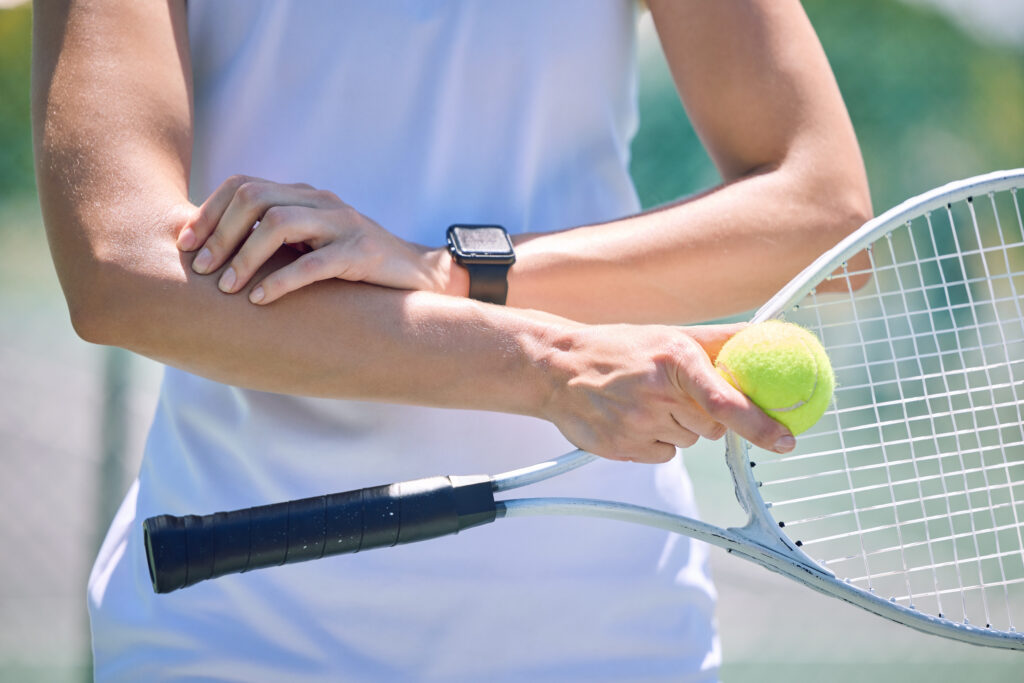
Shoulder elbow overuse injuries in adolescent tennis players are increasingly common as youth sports participation becomes more competitive and year-round. Tennis is a highly repetitive, asymmetrical sport that places significant stress on the upper extremity, particularly the shoulder, elbow, and surrounding musculature.
Why Tennis Players Are Prone to Shoulder and Elbow Overuse Injuries
Unlike contact injuries, overuse conditions develop gradually over time. In adolescent tennis players, the combination of rapid growth, developing musculoskeletal structures, and intensive training schedules makes them especially vulnerable. The repetitive nature of serving, overhead shots, and groundstrokes means that the same muscles and joints are used thousands of times in the same motion patterns.
As a result, repetitive overuse particularly affects the shoulder and elbow, leading to inflammation, irritation of growth plates, and sometimes structural injury if not addressed early.
Most Common Shoulder Injuries in Adolescent Tennis Players
The shoulder is one of the most frequently affected areas in youth tennis athletes due to repetitive overhead motion. In many cases, shoulder overuse injuries in adolescent tennis players involve the rotator cuff, labrum, and surrounding soft tissues.
Common shoulder injuries include:
- Rotator cuff tendinitis or strain: Inflammation or microtears in the rotator cuff tendons caused by repetitive serving and overhead strokes.
- Internal impingement: Pinching of soft tissue structures within the shoulder joint during overhead motion.
- Labral irritation or tears: Damage to the cartilage that helps stabilize the shoulder joint.
- Scapular dysfunction: Abnormal movement of the shoulder blade leading to weakness, fatigue, or poor mechanics.
Because the shoulder is a highly mobile joint, it relies heavily on muscular stability. When fatigue sets in, mechanics break down, increasing the risk of injury. In many cases, these conditions begin subtly with soreness after play and gradually progress to pain during activity or reduced performance.
Common Elbow Injuries in Youth Tennis Athletes
Elbow injuries are also highly prevalent in tennis players due to repetitive forehand and backhand strokes, as well as serving mechanics. While “tennis elbow” is commonly associated with adults, adolescents can also experience similar overuse patterns.
Common elbow injuries include:
- Lateral epicondylitis (tennis elbow): Inflammation of the tendons on the outside of the elbow caused by repetitive wrist and forearm extension.
- Medial elbow stress injuries: Overload on the inside of the elbow, sometimes affecting growth areas in younger athletes.
- Ligament sprains secondary to overuse: Stress placed on stabilizing ligaments over time, especially during high-volume play.
- Growth plate irritation (apophysitis): In younger athletes, repetitive stress can affect developing bone centers.
These injuries often develop gradually and may initially present as mild discomfort during play that becomes more persistent over time. Without early intervention, what begins as mild irritation can progress into more significant pain and functional limitations.
How Repetitive Serving and Overtraining Contribute to Injury
One of the biggest contributors to shoulder elbow overuse injuries in adolescent tennis players is repetitive serving combined with insufficient recovery time. The tennis serve is one of the most demanding athletic motions in sports. It requires coordinated explosive movement from the legs, trunk, shoulder, and arm. When repeated excessively without rest, it places significant stress on the rotator cuff, elbow tendons, and supporting ligaments.
Several factors increase injury risk:
- Year-round play without adequate rest periods
- Early sports specialization in tennis alone
- Rapid increases in training volume or intensity
- Poor serving or stroke mechanics
- Muscle fatigue leading to compensatory movement patterns
As highlighted in pediatric sports medicine research, muscle sprains and ligament sprains secondary to overuse are often the result of cumulative stress rather than a single traumatic event. Overtraining not only increases injury risk but can also affect performance, coordination, and long-term athletic development.
Early Warning Signs Parents and Coaches Should Watch For
Early recognition is critical in preventing progression of shoulder elbow overuse injuries in adolescent tennis players. Because these injuries develop gradually, symptoms are often subtle at first.
Warning signs include:
- Persistent shoulder or elbow pain during or after play
- Decreased performance or loss of power on serves
- Stiffness or reduced range of motion
- Swelling or tenderness around the joint
- Pain that worsens with continued activity
- Compensatory movement or altered stroke mechanics
- Difficulty lifting or extending the arm fully
As seen in other pediatric overuse injuries, such as those affecting throwing athletes, early symptoms are often ignored until pain begins interfering with daily activity or sport participation. Parents and coaches should take any persistent discomfort seriously and seek evaluation early to prevent long-term damage.
Injury Prevention Strategies for Young Tennis Players
Preventing shoulder elbow overuse injuries in adolescent tennis players requires a proactive and balanced approach to training and recovery.
Key prevention strategies include:
- Ensuring proper warm-up and dynamic stretching before play
- Limiting repetitive serving volume during practice sessions
- Encouraging multi-sport participation to reduce repetitive strain
- Incorporating strength training for the shoulder, core, and forearm
- Emphasizing proper stroke and serving mechanics
- Scheduling regular rest days throughout the week
- Avoiding year-round single-sport specialization
Strengthening the muscles around the shoulder and elbow helps stabilize joints and reduce stress during repetitive motion. Coaches play a critical role in reinforcing proper technique and monitoring workload to prevent burnout and injury.
Treatment Options for Overuse Injuries in Tennis Players
When shoulder and elbow overuse injuries occur in adolescent tennis players, early treatment is key to a full recovery. Care typically begins with rest and activity modification to allow inflamed tissues to heal, along with physical therapy focused on improving strength, flexibility, and biomechanics, particularly in the rotator cuff, scapular stabilizers, and forearm muscles. Anti inflammatory measures such as ice or medication may help reduce pain and swelling, and in some cases, temporary bracing may be used to limit strain on the elbow. A gradual, structured return to play is important to prevent reinjury. In more severe cases, imaging such as X-rays or MRI may be used to assess soft tissue or growth plate involvement, with pediatric orthopedic specialists prioritizing non-surgical treatment whenever possible for growing athletes.
Schedule a Consultation with The Pediatric Orthopedic Center
If your child is experiencing persistent shoulder or elbow pain related to tennis, early evaluation is key. Shoulder elbow overuse injuries in adolescent tennis players are highly treatable when identified early, but delaying care can lead to prolonged recovery or worsening symptoms.
At The Pediatric Orthopedic Center, our team specializes in diagnosing and treating sports-related injuries in growing athletes. We provide comprehensive evaluation and individualized treatment plans designed to help young athletes recover safely and return to the sport they love.
To learn more or schedule an appointment, contact The Pediatric Orthopedic Center at (973) 538-7700.