Why Knee Injuries Are Common in Young Skiers
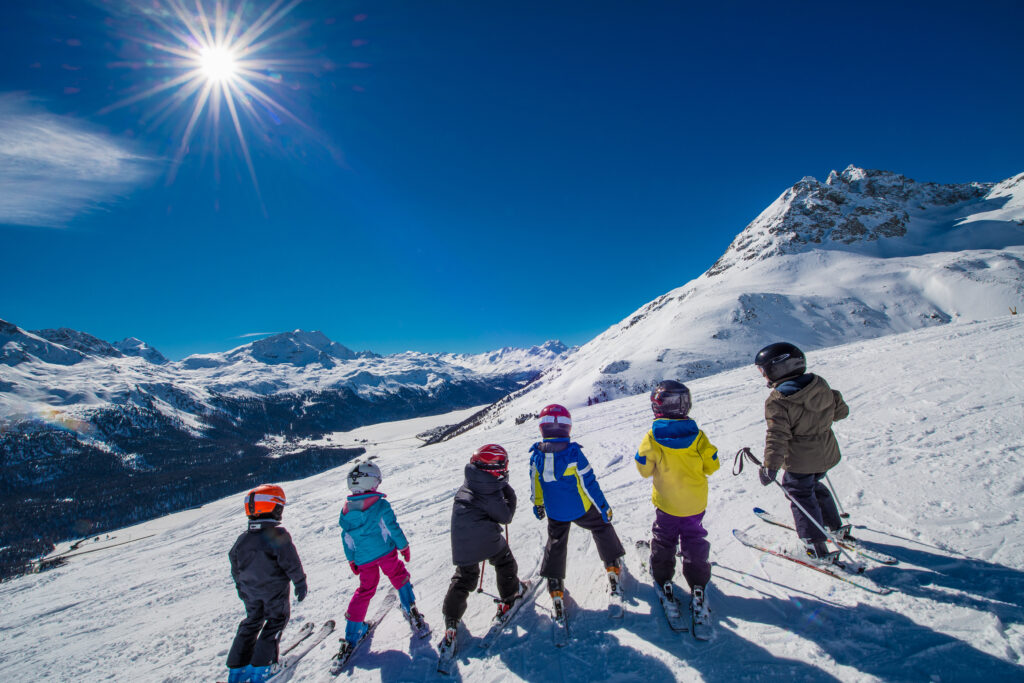
Skiing is one of the most popular winter sports for children and teens, offering excitement, exercise, and time outdoors. However, the combination of speed, uneven terrain, and sudden directional changes places significant stress on young knees. Knee injuries in young skiers are particularly common because these movements can strain ligaments and growth plates while the child’s muscles and neuromuscular control are still developing.
In addition, environmental factors such as icy patches, hard-packed snow, and steep slopes increase the risk of twisting or overextending the knee. Beginners and intermediate skiers are especially susceptible, as they may lack proper technique or experience in responding to unexpected terrain changes.
Awareness of these risk factors and proactive measures can help parents and coaches reduce the incidence of youth skiing injuries, allowing children to enjoy the sport safely.
The Most Common Knee Injuries in Pediatric Skiers
Several types of knee injuries are frequently seen in pediatric ski patients:
- ACL Injuries in Kids: The anterior cruciate ligament (ACL) is one of the main stabilizing ligaments in the knee. ACL tears often occur during twisting falls or sudden stops on the slopes. Pediatric ACL injuries may require surgical repair or structured rehabilitation to restore stability.
- MCL Sprain Skiing: The medial collateral ligament (MCL), located on the inside of the knee, can be sprained when a skier’s leg is forced outward, such as during a fall or collision. Most MCL sprains respond well to rest, bracing, and physical therapy.
- Growth Plate Knee Injury: Children’s bones are still developing, and the growth plates at the ends of the femur and tibia are vulnerable to injury. A growth plate knee injury may occur from sudden twists, falls, or repetitive stress. These injuries need careful evaluation because improper healing can affect future bone growth.
- Overuse Injuries Winter Sports: Repetitive skiing movements, especially among children who ski frequently, can lead to overuse injuries such as patellar tendonitis or Osgood-Schlatter disease. Early intervention, rest, and activity modification are crucial for preventing long-term complications.
Recognizing the type of injury is the first step in effective treatment and prevention, highlighting the importance of pediatric-specific care for young skiers.
Why Kids’ Knees Are More Vulnerable Than Adults’
Children’s knees are not simply smaller versions of adult knees. Several anatomical and developmental factors make pediatric knees more susceptible to injury:
- Open Growth Plates: Growth plates are soft areas of developing cartilage near the ends of bones. Unlike mature bone, these areas are weaker and can be injured even when a fall might only cause a sprain in an adult.
- Muscle Imbalances: Young athletes may have strong muscles for their age, but coordination and neuromuscular control are still developing. Sudden directional changes or awkward landings can overwhelm the knee joint.
- Ligament Laxity: Children’s ligaments may be more elastic than adults, allowing greater joint motion but also increasing the risk of sprains or tears.
- Rapid Growth: During growth spurts, bones can lengthen faster than muscles and tendons, temporarily creating imbalances that increase the risk of knee injuries.
These vulnerabilities underscore the importance of specialized pediatric care and injury prevention strategies tailored to young athletes.
Equipment Matters: Skis, Bindings, and Proper Fit
Proper equipment is a critical component of ski safety for kids. Ill-fitting skis, boots, or bindings can increase torque on the knee, leading to ACL or MCL injuries.
- Ski Length and Shape: Skis that are too long or stiff for a child can make turns more difficult, increasing stress on the knees. Shaped skis may help with turning but can still create torque if not matched to skill level.
- Bindings: Correctly adjusted bindings release in falls to prevent twisting injuries. High-quality bindings can reduce fracture risks, although they have less impact on ligament injuries, making proper technique essential.
- Boots: Boots should provide ankle support while allowing knee flexibility. Poorly fitting boots can compromise balance and increase the likelihood of falls.
Regular equipment checks, proper sizing, and professional fitting can go a long way in reducing the risk of knee injuries in young skiers.
Strength, Balance, and Conditioning for Injury Prevention
Physical conditioning is one of the most effective ways to prevent pediatric knee injuries. Programs that build strength, flexibility, and balance help children withstand the demands of skiing and reduce overuse injuries winter sports.
Key areas of focus include:
- Quadriceps and Hamstrings: Strong thigh muscles stabilize the knee during sudden turns or jumps.
- Hip and Core Muscles: Core stability improves balance and reduces stress on the knees during falls or pivots.
- Balance and Proprioception: Exercises using balance boards or agility drills train the nervous system to respond quickly to terrain changes.
- Pre-season Conditioning: Incorporating dynamic warm-ups, squats, lunges, heel raises, and light plyometrics before the season strengthens key muscle groups and improves neuromuscular coordination.
These exercises not only improve performance but also serve as a foundation for sports injury prevention in young skiers.
Technique and Training Habits That Reduce Knee Stress
Proper skiing technique significantly reduces the risk of pediatric knee injury. Parents and coaches should emphasize:
- Bend the Knees and Hips: Maintaining a slight flexion in the knees and hips absorbs shocks and prevents hyperextension.
- Avoid Twisting Falls: Learning how to fall safely, keeping skis parallel, and rolling with momentum can prevent ligament injuries.
- Gradual Progression: Avoid jumping into advanced slopes too quickly. Build skill and confidence on easier terrain first.
- Rest and Recovery: Incorporating rest periods and alternating activities prevents overuse injuries and supports long-term growth and development.
By combining technique training with conditioning, young skiers can enjoy the slopes while reducing knee strain.
Warning Signs of a Knee Injury in Young Skiers
Parents should monitor for signs that may indicate a knee injury:
- Sudden pain, swelling, or warmth around the knee.
- Difficulty bearing weight or walking.
- Limited range of motion or noticeable instability.
- Pain that persists beyond the ski day or worsens with activity.
- Audible “pop” or feeling of the knee giving out during a fall.
Early recognition and timely intervention are critical to preventing long-term complications, particularly in children whose growth plates are still open.
When to See a Pediatric Orthopedic Specialist
If a child experiences any of the warning signs above, it is important to seek care from a pediatric orthopedic specialist rather than a general orthopedist. Pediatric orthopedists are trained to manage growth plate injuries and other pediatric-specific conditions. They provide treatment plans that may include:
- Non-surgical care: Rest, bracing, physical therapy, and gradual return to sports.
- Surgical intervention: In rare cases, severe ACL or MCL tears or complex growth plate injuries may require surgery.
- Growth plate protection: Specialized approaches ensure bones heal correctly without disrupting future growth.
Prompt evaluation improves recovery outcomes and helps young skiers return to the slopes safely.
Schedule a Consultation with The Pediatric Orthopedic Center
The Pediatric Orthopedic Center specializes in pediatric knee injuries and other winter sports-related musculoskeletal conditions. Our experts guide families through injury prevention, treatment, and recovery tailored specifically to young athletes.
If your child has experienced pain, swelling, or instability in the knee while skiing, or you want guidance on ski safety for kids, schedule a consultation with our team. With board-certified pediatric orthopedic surgeons and specialized knowledge in growth plate injuries, we provide personalized care to help your child enjoy skiing safely for years to come.