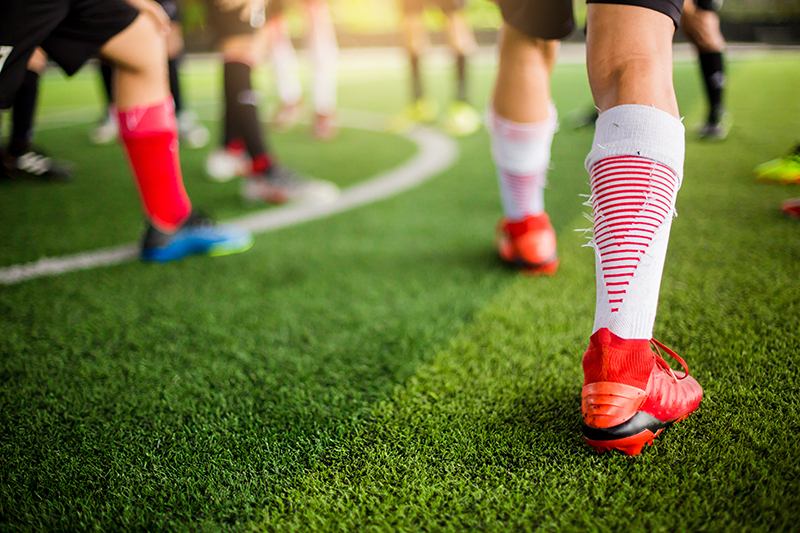
Youth sports are woven deeply into childhood and adolescence. From elementary school leagues to high school varsity teams, many children have played sports for years and thrive on the structure, friendships, and sense of accomplishment that athletics provide. But as seasons blur together and intense training becomes the norm, many parents are asking an important question: is it safe for my child to play sports year-round?
The answer is nuanced. Sports can be incredibly beneficial, but without proper balance, year-round participation, especially specialization in a single sport, can increase the risk of injury and burnout in youth athletes. Understanding both the benefits and the risks allows families to make informed, healthy decisions.
The Benefits of Youth Sports Participation
There is no question that youth sports offer powerful physical, emotional, and social benefits. Regular physical activity improves cardiovascular health, coordination, strength, and bone development. Sports also teach discipline, teamwork, time management, and resilience, skills that extend far beyond the field.
For the young athlete, sports can be a source of confidence and identity. Many children who have played sports develop lifelong habits of movement and wellness. Participation during middle school and high school can also provide structure during formative years and foster strong peer connections.
Problems arise not from sports themselves, but from how much, how often, and how narrowly children are asked to train.
What “Year-Round Sports” Means and Why It Matters
Playing sports year-round usually means participating in one individual sport or team sport for most or all months of the year, often without meaningful breaks. This may include club teams, travel leagues, private coaching, off-season training, and overlapping seasons that leave little time for rest.
For elite athletes, this type of commitment may seem necessary. Social media and competitive culture can make nonstop training appear normal, or even required for success. But for growing bodies, a full sport year without recovery time places repeated stress on the same muscles, joints, and growth areas.
This is where risk enters the picture.
Risks of Year-Round, Single-Sport Training: Overuse & Burnout
The biggest physical concern with year-round training is overuse injury. Unlike acute injuries caused by a fall or collision, overuse injuries develop gradually when repetitive motions are performed without enough rest.
In children and adolescents, growth plates, the areas of developing tissue at the ends of bones, are particularly vulnerable. Repetitive stress can lead to overuse injuries such as Little League shoulder or elbow, stress fractures, tendon irritation, and chronic joint pain. These injuries are common in baseball, swimming, running, gymnastics, and other high-repetition sports.
Equally concerning is emotional burnout. Many youth athletes lose joy in a sport they once loved. Anxiety, exhaustion, and pressure to perform can replace fun. When a child’s identity becomes tied entirely to one sport, injuries or setbacks can feel devastating.
What Research Says: Injury Statistics and Growth-Related Vulnerabilities
Research in sports medicine consistently shows that early sports specialization, particularly at a young age, increases injury risk. Children who focus on one sport year-round are more likely to experience chronic pain and overuse injuries than those who play multiple sports.
During growth spurts, bones grow faster than muscles and tendons can adapt. Strong muscles pulling repeatedly on immature bones can injure growth plates in the shoulder, elbow, knee, wrist, pelvis, and spine. These injuries are not only painful, they can sideline an athlete for months if ignored.
Ironically, many studies suggest that athletes who delay specialization until later adolescence often perform better long-term and stay healthier than those who specialize early.
How to Make Year-Round Sports Safer — Smart Strategies for Parents
If your child is committed to playing sports most of the year, there are ways to reduce the risks and avoid injuries.
First, prioritize rest. Young athletes should have at least one to two days off per week from organized sports and several weeks off per year from their primary sport. Rest is when the body repairs and grows stronger.
Second, ensure gradual increases in training intensity. Sudden spikes in activity are a major cause of overuse injury. Strength training, flexibility, and conditioning should be age-appropriate and progressive.
Third, pay attention to pain. Pain is not weakness; it is information. Playing through pain often worsens injuries and prolongs recovery.
Finally, nutrition, hydration, proper equipment, and safe playing surfaces all matter. These foundational elements support growth and resilience throughout the sport year.
When to Take a Break — Signs Your Child Needs Rest or Change
Parents should watch for warning signs that a child may need time off or a shift in activity. These include persistent pain, declining performance, mood changes, irritability, loss of enthusiasm, fatigue, or statements like “I don’t want to play anymore, but I feel like I can’t stop.”
In these moments, rest is not failure, it is protection. Early intervention can prevent minor issues from becoming long-term problems.
The Case for Multi-Sport Participation and Periods of Rest
Encouraging children to play multiple sports throughout the year is one of the best ways to protect their bodies and minds. Multi-sport athletes develop more balanced strength, coordination, and movement patterns. Different sports stress the body in different ways, allowing overused areas time to recover.
Before age 12 especially, avoiding specialization in a single sport helps reduce injury risk and promotes overall athletic development. Many high-level and elite athletes played multiple sports growing up and credit that variety for their long-term success.
Schedule a Consultation with The Pediatric Orthopedic Center
So, is it safe for my child to play sports year-round? It can be when approached thoughtfully, with balance, rest, and attention to a child’s physical and emotional well-being.
If your child is experiencing pain, fatigue, or recurrent injuries, or if you have concerns about training volume or specialization, a consultation with a pediatric orthopedic specialist can provide clarity and guidance. The team at The Pediatric Orthopedic Center specializes in helping young athletes stay healthy, active, and engaged for the long run so sports remain a source of joy, not injury.