Spring sports bring excitement, competition, and increased activity for young athletes, but they also bring a noticeable rise in ACL injuries in teens, often referred to by pediatric orthopedic specialists as “ACL season.” As athletes return to fields and courts after winter, sudden increases in intensity, cutting movements, and fatigue can place significant stress on the knee, leading to serious injuries.
Understanding how and why these injuries occur, who is most at risk, and how modern treatment options have improved outcomes is essential for parents, coaches, and athletes alike.
What Is “ACL Season” and Why it Happens in Spring Sports
“ACL season” refers to the spike in ACL injuries in teens that typically occurs during spring sports. After months of reduced activity, many young athletes return to high-intensity training and competition without adequate reconditioning. This sudden workload increase can overwhelm the knee’s stabilizing structures.
The anterior cruciate ligament (ACL) is a strong band of tissue that connects the femur (thigh bone) to the tibia (shin bone), helping stabilize the knee during movement. It is especially vulnerable during sports that involve sudden stops, cutting, pivoting, and jumping.
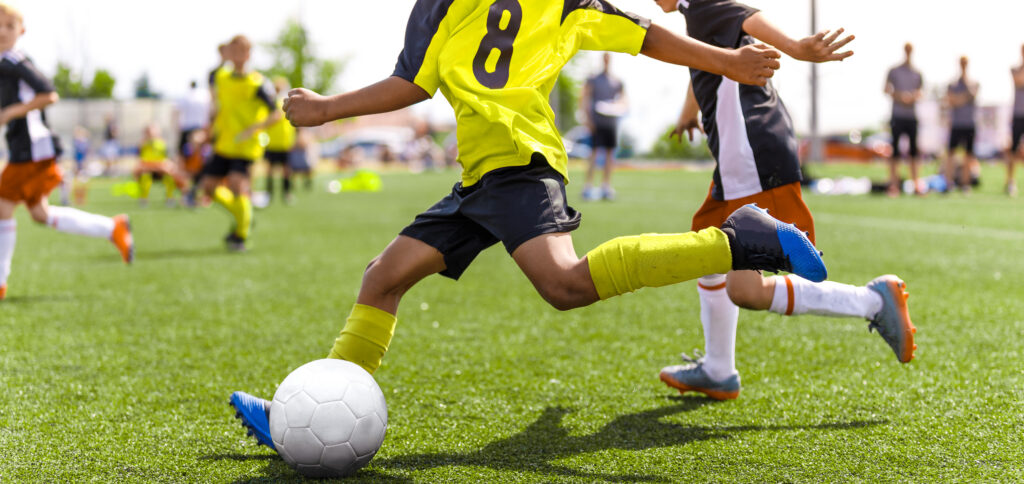
Most non-contact ACL injuries occur during these exact movements. A sudden change in direction or awkward landing can cause the ligament to tear without any direct collision. In some cases, direct trauma such as a tackle can also cause injury.
This seasonal increase in activity combined with high-risk movement patterns is what makes spring a peak time for youth sports knee injury cases.
Why Teen Athletes Are at Higher Risk for ACL Injuries
Teenagers are especially vulnerable to ACL injuries in teens due to a combination of growth, biomechanics, and training intensity.
As children grow, their bones lengthen faster than their muscles and coordination can adapt, leading to temporary imbalances. This can contribute to poor landing mechanics and decreased neuromuscular control, both of which increase the risk of a knee ligament injury teens may experience.
Other key risk factors include:
- Muscle imbalances between the quadriceps and hamstrings
- Rapid growth spurts affecting coordination and balance
- High training loads and year-round sports participation
- Fatigue during games and practices
Research also shows that female athlete ACL risk is significantly higher than in male athletes. In fact, female soccer players may be several times more likely to suffer an ACL tear compared to their male counterparts. Differences in anatomy, landing mechanics, and muscle activation patterns all contribute to this increased risk.
At The Pediatric Orthopedic Center, clinicians are seeing ACL tear adolescent athletes more frequently than ever before, including children as young as five. This rise is largely linked to increased specialization, year-round training, and higher levels of competition at younger ages.
Sports Most Commonly Associated with ACL Tears in Teens
While ACL injuries in teens can occur in many activities, certain sports carry a higher risk due to their movement demands.
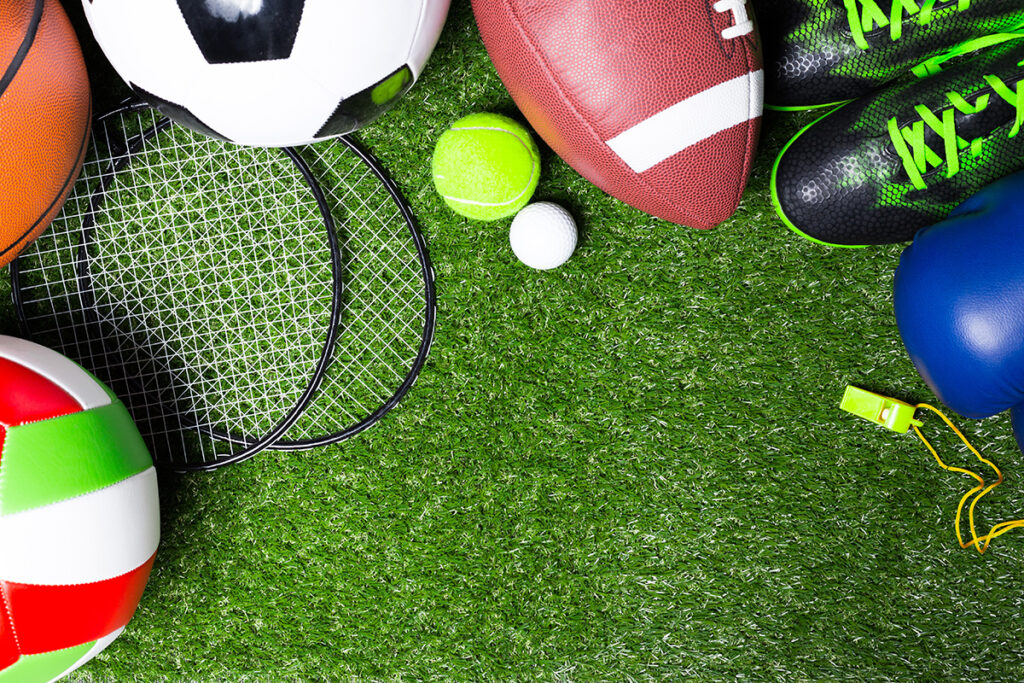
High-risk sports include:
- Soccer
- Basketball
- Lacrosse
- Football
- Skiing
- Volleyball
These sports involve frequent jumping, pivoting, rapid acceleration, and sudden deceleration, all movements that place stress on the ACL.
Most injuries are non-contact ACL injuries, occurring during routine plays such as landing from a jump or quickly changing direction. Athletes often describe the injury happening “out of nowhere,” without a collision or obvious impact.
Because of this, prevention and proper training techniques are especially important in reducing the risk of a youth sports knee injury.
Warning Signs of an ACL Injury Parents Should Watch For
Recognizing an ACL injury early is critical for preventing further damage to the knee joint. Parents and coaches should watch for the following signs:
- A popping sensation or sound at the time of injury
- Immediate swelling within hours of injury
- Pain when bearing weight or walking
- Knee instability or “giving way” episodes
- Limited range of motion
A classic symptom of ACL injuries in teens is hearing or feeling a “pop” followed by swelling. This is often the first indication that the ligament has been torn.
Many athletes with an ACL injury will be unable to continue playing, especially if there is significant swelling or instability in the knee.
How ACL Injuries Are Diagnosed in Young Athletes
Diagnosis of ACL injuries in teens typically begins with a detailed medical history and physical examination. Pediatric orthopedic specialists assess how the injury occurred and evaluate knee stability through specific clinical tests.
Because children and adolescents are still growing, imaging plays an important role in diagnosis. MRI scans are commonly used to confirm an ACL tear that adolescent athletes may have sustained and to evaluate surrounding structures such as cartilage and meniscus.
One important consideration in pediatric patients is the presence of growth plates. Two major growth plates are located near the knee, in the distal femur and proximal tibia. These areas are still developing in children and must be carefully protected during both diagnosis and treatment planning.
ACL Injury Prevention Programs for Teens
Preventing ACL injuries in teens is possible through structured training programs designed to improve strength, coordination, and movement mechanics.
Effective ACL prevention programs typically include:
- Strength training for the core, hips, and legs
- Neuromuscular training to improve balance and control
- Jump training with proper landing mechanics
- Agility drills to improve cutting and pivoting techniques
- Flexibility exercises to reduce stiffness and improve mobility
These programs are especially important for reducing non-contact ACL injuries, which are the most common type seen in adolescent athletes.
Incorporating prevention exercises into regular practices can significantly reduce the risk of a knee ligament injury teens may otherwise experience during high-intensity play.
Treatment Options and Recovery for ACL Tears
Historically, ACL injuries in teens were considered highly complex due to concerns about damaging growth plates during surgery. In the past, some children were even advised to stop sports entirely until they reached skeletal maturity.
Today, treatment has advanced significantly, and pediatric orthopedic surgeons can safely treat ACL injuries in growing athletes without harming growth plates.
Surgical treatment options
Because the ACL is essential for knee stability, most complete tears require surgical reconstruction or repair.
ACL reconstruction (replacement)
This is the most common procedure. A tendon (from the patient or a donor) is used to replace the torn ACL. Over time, the body incorporates the graft to form a new ligament. However, studies show that donor grafts may carry a higher risk of re-tear.
ACL repair
Because the ACL is essential for knee stability, a torn ACL often requires surgical treatment. In most cases, ACL reconstruction (replacement) is performed, where the damaged ligament is replaced with a tendon graft from the patient or a donor to create a new ACL over time. In select cases, newer arthroscopic techniques allow the native ligament to be repaired rather than replaced. ACL repair involves reattaching and stabilizing the torn ligament back to bone using specialized devices and is only appropriate for certain injury patterns.
Recovery and return to sports
Recovery from ACL surgery requires patience and structured rehabilitation. For ACL injuries in teens, healing typically takes 6 to 9 months, though some cases may extend longer depending on the athlete and sport.
Rehabilitation focuses on:
- Restoring range of motion
- Strengthening surrounding muscles
- Improving balance and stability
- Gradual progression back to sport-specific activity
Physical therapy is usually performed several times per week, combined with daily at-home exercises. A carefully monitored return is essential for reducing the risk of reinjury and ensuring safe return to sports ACL participation.
Schedule a Consultation with The Pediatric Orthopedic Center
If your child has experienced symptoms of ACL injuries in teens or is showing signs of a youth sports knee injury, early evaluation is essential.
At The Pediatric Orthopedic Center, our specialists provide expert diagnosis and treatment for ACL tears in adolescent athletes, using advanced surgical techniques and individualized rehabilitation plans designed specifically for growing athletes. With extensive experience in pediatric sports medicine, we understand the unique challenges of treating children and teens, including the importance of protecting growth plates while restoring knee stability.
Whether your child needs injury evaluation, prevention guidance, or treatment for a knee ligament injury that teens may have sustained, our team is here to help them safely return to the activities they love.
Schedule a consultation today to ensure your young athlete receives the highest level of pediatric orthopedic care.