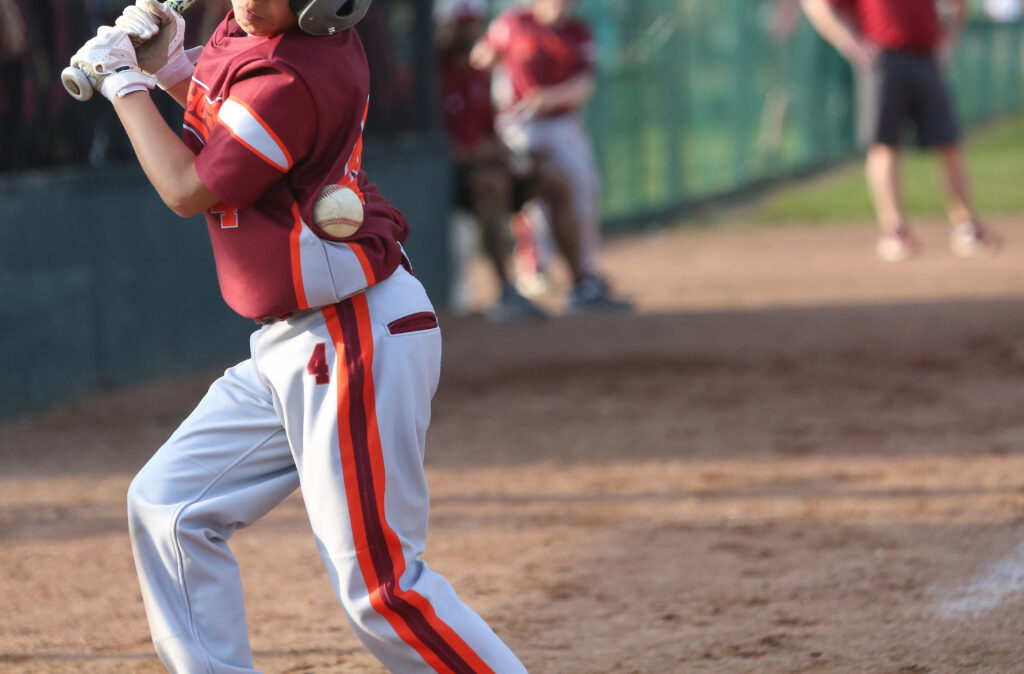
Spring training is an exciting time for young athletes eager to get back on the field. As the weather warms and baseball season begins, practices intensify, games ramp up, and enthusiasm is at an all-time high. However, this period also brings an increased risk of baseball injuries in adolescents, especially when players return too quickly or push beyond their physical limits. Understanding the risks, warning signs, and prevention strategies can help parents, coaches, and players keep youth athletes healthy and performing at their best.
Why Spring Training Is a High-Risk Time for Youth Baseball Injuries
Spring training presents unique challenges for young athletes. After a winter of reduced activity, the sudden increase in physical demand, especially repetitive throwing, can put stress on growing muscles, joints, and ligaments. This is one of the primary reasons youth baseball injuries tend to spike early in the season.
Adolescents are particularly vulnerable because their bodies are still developing. Growth plates, which are softer areas of cartilage near the ends of bones, are more susceptible to injury than fully developed bone. When combined with intense practices, unpredictable weather conditions, and a desire to perform well, the risk of overuse injuries youth sports increases significantly.
Without proper conditioning and gradual progression, young players may develop throwing injuries, muscle strains, or even stress fractures. That’s why easing into the season is essential for long-term health.
Celebrating National Baseball Day: Keeping Young Players Safe on the Field
Events like National Baseball Day are a great reminder of how beloved the sport is across the country. While it’s a time to celebrate teamwork, skill, and passion, it’s also an opportunity to emphasize safety and injury prevention.
Parents and coaches can use this occasion to reinforce healthy habits such as proper warm-ups, hydration, and rest. Encouraging open communication about pain or fatigue is key, young athletes often try to “push through” discomfort to stay in the game, which can lead to more serious Little League injuries.
By promoting a culture of safety alongside competition, we can ensure that baseball remains both fun and sustainable for young athletes.
Most Common Baseball Injuries in Adolescents
There are several types of baseball injuries in adolescents that occur frequently, particularly due to the repetitive nature of throwing:
- Elbow injuries: Conditions like Little League elbow are common forms of elbow pain young pitchers experience due to repetitive stress on the growth plate.
- Shoulder injuries: Many shoulder injuries baseball players face include rotator cuff irritation, SLAP tears, and instability from repeated overhead motion.
- Throwing injuries: These can include sprains, fractures, and even dislocations caused by forceful or improper throwing mechanics.
- Ankle sprains and thumb injuries: Often caused by sudden movements, falls, or collisions during gameplay.
These injuries can range from mild to severe and may impact a player’s ability to participate if not addressed early.
Overuse Injuries vs. Acute Injuries in Baseball
Understanding the difference between injury types is critical in adolescent sports medicine:
- Overuse injuries develop gradually over time due to repetitive stress. These include pitching injuries teens often face, such as tendonitis, growth plate inflammation, and ligament strain. Lack of rest and excessive play are major contributors.
- Acute injuries occur suddenly, often from a specific incident like a fall or collision. Examples include fractures, sprains, and dislocations.
While acute injuries are usually easier to identify, overuse injuries can be more dangerous if ignored, as they worsen over time and may lead to chronic pain or long-term damage.
Warning Signs of Baseball Injuries Parents Should Watch For
Recognizing early symptoms is essential in preventing more serious baseball injuries in adolescents. Parents and coaches should watch for:
- Persistent pain during or after activity
- Decreased performance or throwing speed
- Swelling, bruising, or visible deformity
- Limited range of motion in the shoulder or elbow
- Numbness, tingling, or weakness in the arm
- Complaints of fatigue or heaviness when throwing
In particular, ongoing elbow pain young pitchers or shoulder discomfort should never be ignored. Pain that worsens with activity or doesn’t improve with rest is a strong indicator that medical evaluation may be needed.
Injury Prevention Tips for Young Baseball Players
Preventing youth baseball injuries requires a proactive and well-rounded approach:
- Warm up and cool down properly: Stretching and light activity prepare muscles and reduce injury risk.
- Focus on proper mechanics: Correct throwing technique minimizes stress on joints.
- Encourage multi-sport participation: Avoid year-round specialization to reduce repetitive strain.
- Stay hydrated and maintain proper nutrition: Fueling the body supports performance and recovery.
- Use appropriate protective gear: Helmets, gloves, and braces can reduce injury risk.
Most importantly, young athletes should be encouraged to listen to their bodies and report any discomfort early.
The Importance of Pitch Count and Rest Days
One of the most effective ways to prevent pitching injuries teens experience is by monitoring pitch counts and enforcing rest days. Excessive throwing without adequate recovery is a leading cause of overuse injuries youth sports.
Guidelines for pitching limits youth recommend:
- Limiting the number of pitches per game and per week
- Ensuring at least one to two rest days between pitching outings
- Avoiding multiple teams or overlapping seasons
- Taking at least a few months off from throwing each year
Rest is not a setback, it’s an essential part of performance and injury prevention. Without it, young athletes risk serious conditions that could sideline them long-term.
Strength and Conditioning for Injury Prevention
A strong, well-conditioned body is more resilient against throwing injuries and other common issues in baseball. Strength and conditioning programs should focus on:
- Shoulder and elbow stability: Strengthening surrounding muscles helps protect joints.
- Core strength: A strong core improves overall mechanics and reduces strain on the arm.
- Flexibility and mobility: Stretching improves range of motion and reduces stiffness.
- Technique refinement: Proper mechanics reduce unnecessary stress on growing bodies.
Physical therapy can also play a key role in both recovery and prevention by identifying muscle imbalances and improving movement patterns.
Schedule a Consultation with The Pediatric Orthopedic Center
If your child is experiencing symptoms of baseball injuries in adolescents, early evaluation is critical. Pediatric orthopedic specialists are trained to diagnose and treat conditions affecting growing athletes, including shoulder injuries baseball players and elbow pain young pitchers.
At The Pediatric Orthopedic Center, our team focuses on comprehensive care, from diagnosis and treatment to rehabilitation and prevention. Whether your child is dealing with Little League injuries, pitching injuries teens, or other concerns, we provide personalized treatment plans to help them safely return to play.
Don’t wait for minor discomfort to turn into a major injury. Schedule a consultation today and give your young athlete the support they need for a safe and successful season.
By taking the right precautions and staying informed, families can significantly reduce the risk of baseball injuries in adolescents. With proper training, rest, and attention to warning signs, young players can enjoy the game they love, safely and confidently.